
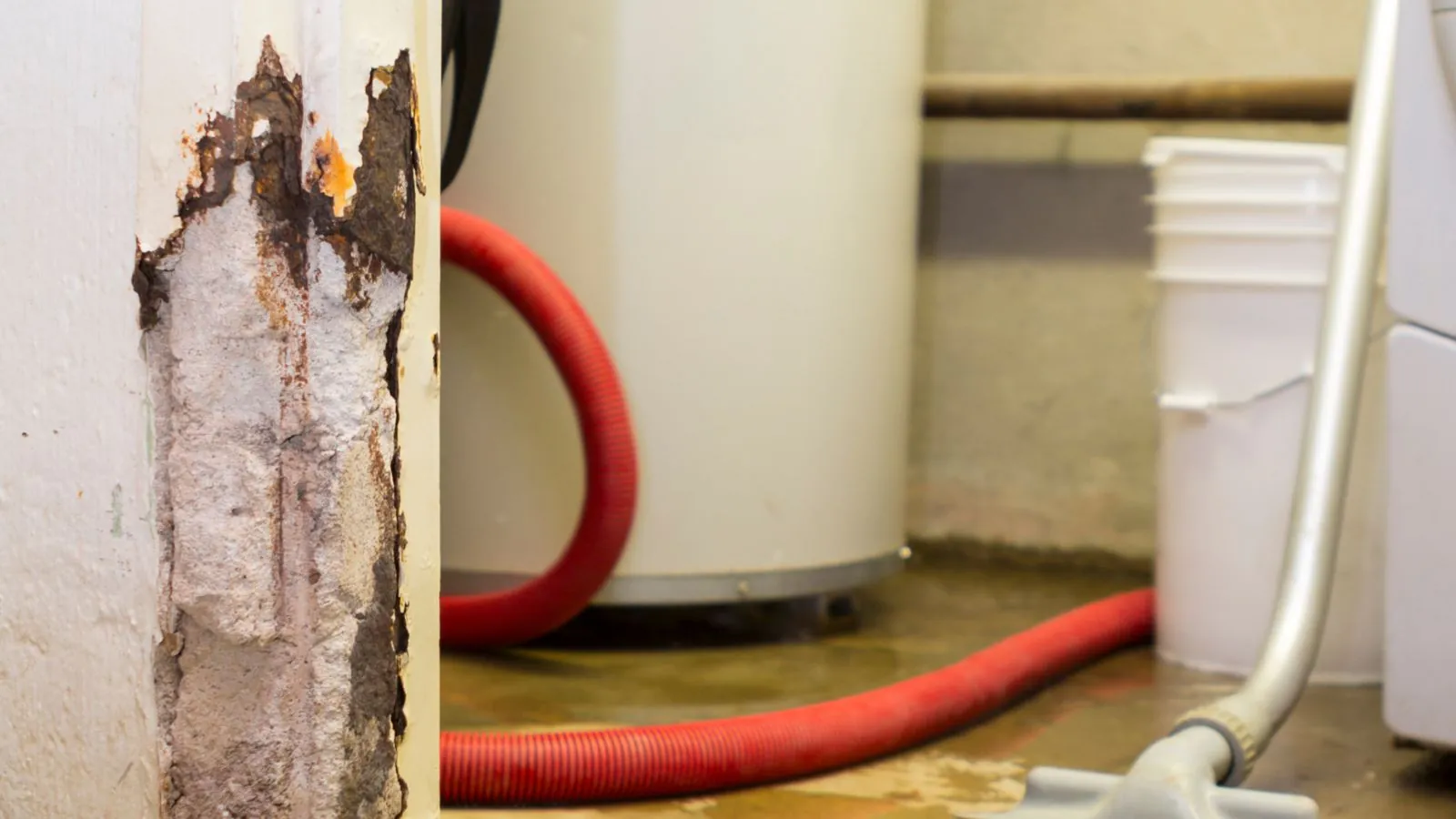
Emergency water extraction in Napa, CA means removing standing water with pumps and extraction units before it soaks into the structure. This is the first physical step in almost every water loss, because water that sits for hours wicks up drywall and down into subfloors. Call (833) 521-1033 at any hour, since the line is answered 24/7.
Before the crew arrives, stop the source if it is safe, lift valuables and electronics off the floor, and keep people out of any water that may be contaminated. Take photographs of the water level and affected rooms, then leave wet items where they are until you have a record.
Standing water is an emergency, and here is why
A thin layer of water across a floor looks harmless, but it keeps working. Within hours it travels under baseboards into wall cavities, and within a day or two it saturates subfloor and pad. The sooner it is removed, the less material has to be torn out.
At night the situation gets harder, because water goes unnoticed until morning. That is why the phone line stays open after hours, and why the first call should happen before you try to cope alone.
The ANSI/IICRC S500 standard is the published industry reference for professional water damage restoration, and a crew can explain how its plan follows it.
Before you start pumping or vacuuming
Do not use a household vacuum on standing water, because it is not designed for it and can shock you. Do not stand in water near electrical outlets. If the water is dark, smells or may contain sewage, keep everyone out and tell the dispatcher.
What the equipment does
Portable pumps move large volumes from low spots. Truck-mounted and portable extraction units pull water out of carpet and pad. Weighted extraction wands remove water from hard floors and tile. Where water is too deep for a wand, a submersible pump handles it first.
Extraction is not drying. Water still trapped in wall bottoms and subfloor is handled afterward with structural drying, which uses air movers and dehumidifiers and is checked with moisture meters.
Extraction by water source
| Where the water came from | First concern | What follows extraction |
|---|---|---|
| Supply line or appliance | Stopping the source | Drying the wet materials |
| Rain through the roof | Protecting the opening | Checking insulation and ceilings |
| Rising surface water | Contamination | Removing porous materials |
| Drain or sewer backup | Pathogen exposure | Cleaning and disinfecting |
Napa conditions that add urgency
Napa gets roughly 31 inches of rain a year by the 1991 to 2020 normals at the county airport, concentrated between October and April. The wettest month averages just over 6 inches, so a roof or window that fails during a storm can put water on the floor quickly.
For flooding from outside, see flood damage restoration. For a pipe failure, burst pipe water damage explains the shut-off steps. In both cases, extraction is the first physical step.
Documentation for your insurer
Photograph the standing water before it is removed, note the time you found it, and keep a log of calls. Moisture readings taken after extraction show how far the water traveled. Coverage depends on the cause and your policy, so ask your insurer, and keep damaged items until the adjuster approves disposal.
What affects the cost
Extraction is usually priced alongside drying, so ask the scope to show both.
- Water volume and depth. Deeper water needs more pump time.
- Water category. Contaminated water adds safety gear and disposal steps.
- Surface type. Carpet, tile and wood extract differently.
- Access. Basements and crawl spaces slow the work.
- Follow-up drying. Equipment days after the water is out.
Insurance coverage depends on the cause of the loss and the terms of your policy, so check your policy or ask your insurer. Want your real number? Call (833) 521-1033.
Frequently asked questions
Do you handle water extraction emergencies at night or on weekends in Napa?
Yes. Call (833) 521-1033 at any hour. The line is answered 24/7 and the dispatcher will give you first steps while a crew is arranged.
Can I rent a pump and do it myself?
You can remove some clean water yourself, but hidden water in walls and subfloors usually remains. A shop vacuum is not safe on standing water, and contaminated water needs protective equipment.
How long does extraction take?
It depends on the volume and access. Extraction itself may take a few hours, while drying that follows takes several days.
Is extraction covered by insurance?
Often, when the cause is sudden and accidental, such as a burst pipe. Flood is usually excluded from standard policies. Check your policy and ask your insurer.