
Structural drying and dehumidification in Napa, CA is the process of removing moisture from walls, floors and framing after water has been extracted. It is also called water mitigation, and it is the step that decides whether you avoid mold and rebuilding. The 24/7 line at (833) 521-1033 can arrange it any day of the week.
Water that was extracted can still be trapped in places you cannot see. Drying is about reaching those places, and about measuring until the numbers say you are done.
My walls feel damp and the room smells musty, what now?
Damp walls, a musty smell, peeling paint and baseboards that look swollen are the way hidden moisture shows up. The trade name for fixing it is structural drying. A crew finds where the moisture is, sets equipment to remove it and checks daily until it is gone.
Moisture mapping
A technician uses a moisture meter to read walls and floors and a thermal camera to show cooler wet spots. The readings are recorded on a simple map and compared with a dry reference reading from an unaffected area of the same material. That map is what proves drying is complete.
Equipment and what each piece does
| Equipment | Job | Why it matters |
|---|---|---|
| Air movers | Blow air across wet surfaces | Speeds evaporation from floors and walls |
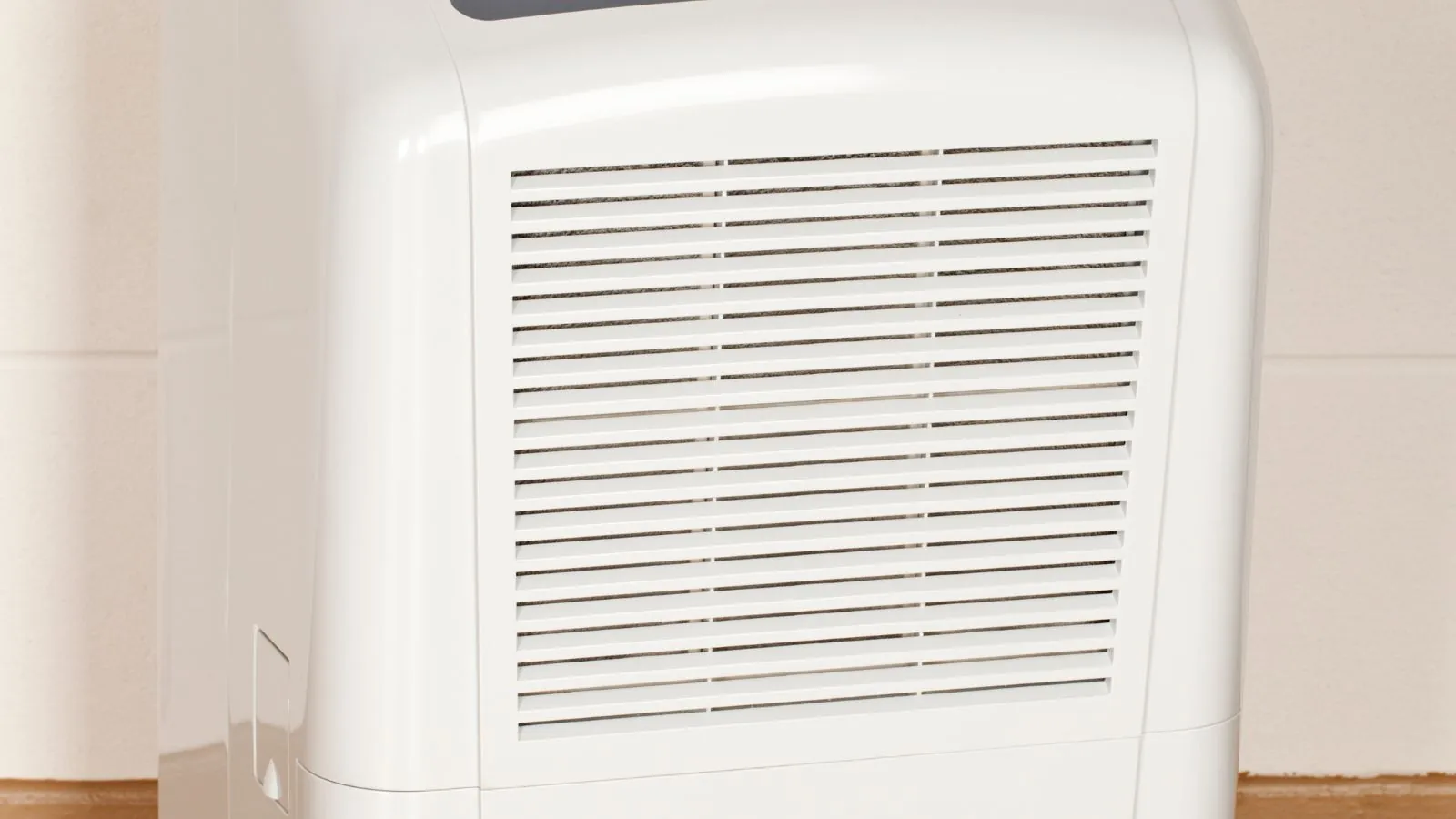
| LGR dehumidifiers | Pull moisture out of the air | Keeps humidity from rising while materials dry |
| Moisture meters | Read water content in materials | Show when drying is finished |
| Thermal camera | Shows temperature differences | Finds hidden wet areas |
How long drying takes
Most structures need several days. The time depends on how wet the materials were, what they are made of and how humid the air is. Hardwood and concrete dry slowly, and drywall dries faster if it has not been wet long. A crew checks every day and moves or removes equipment as readings drop.
Napa is a warm, dry-summer climate with a wet winter. Indoor humidity matters more when it rains and windows stay closed, so winter jobs may need more dehumidification.
Water mitigation and restoration are different
Mitigation is stopping and drying the damage. Restoration is rebuilding what was removed. Ask the scope to separate them. The published standard for the work is ANSI/IICRC S500, and you can ask any company whether its crews follow it.
If water is still standing, start with water extraction. If the damage is in a floor, see hardwood floor water damage repair.
How drying equipment works
Drying depends on moving air and removing moisture from it. Air movers push dry air across wet surfaces so the water evaporates, and dehumidifiers pull that vapor out of the air so it does not settle on cooler surfaces elsewhere in the home. The crew sets equipment based on the size of the affected area and the materials involved, not on a fixed count per room.
Doors and windows in the drying area usually stay closed so the equipment works on the air inside the space, which can surprise homeowners who want to ventilate.
How progress is tracked
A drying job is tracked with a daily log. Technicians record readings on the affected materials along with the temperature and humidity inside and outside, and compare them with a dry reference reading taken from an unaffected area of the same material. Equipment comes out when the affected materials reach that dry standard, not when a set number of days has passed.
Ask to see the log, since it is also the record your insurer is likely to want. Noise and warmth from the equipment are normal, and your electric use will rise while it runs. The standing water itself is handled first, as described under water extraction.
What affects the cost
Drying is usually priced by equipment days and monitoring.
- Wet area. How many rooms and surfaces.
- Materials. Hardwood and concrete take longer.
- Water category. Contaminated water adds removal.
- Drying days. Equipment and daily visits.
- Rebuild. Repair is separate.
Insurance coverage depends on the cause of the loss and the terms of your policy, so check your policy or ask your insurer. Want your real number? Call (833) 521-1033.
Frequently asked questions
What does dry actually mean?
A material is dry when its moisture reading returns to the reference reading for that material, not when it feels dry.
Is it normal for drying equipment to run for days?
Yes. Most structures need several days of air movers and dehumidifiers, with daily checks.
Can I use fans and a household dehumidifier instead?
For a very small, clean spill, perhaps. For hidden moisture, professional equipment and meters are needed to confirm the job.
Will drying prevent mold?
Fast, complete drying lowers the risk, but no one can promise that mold will not develop. Health questions belong with a physician.