
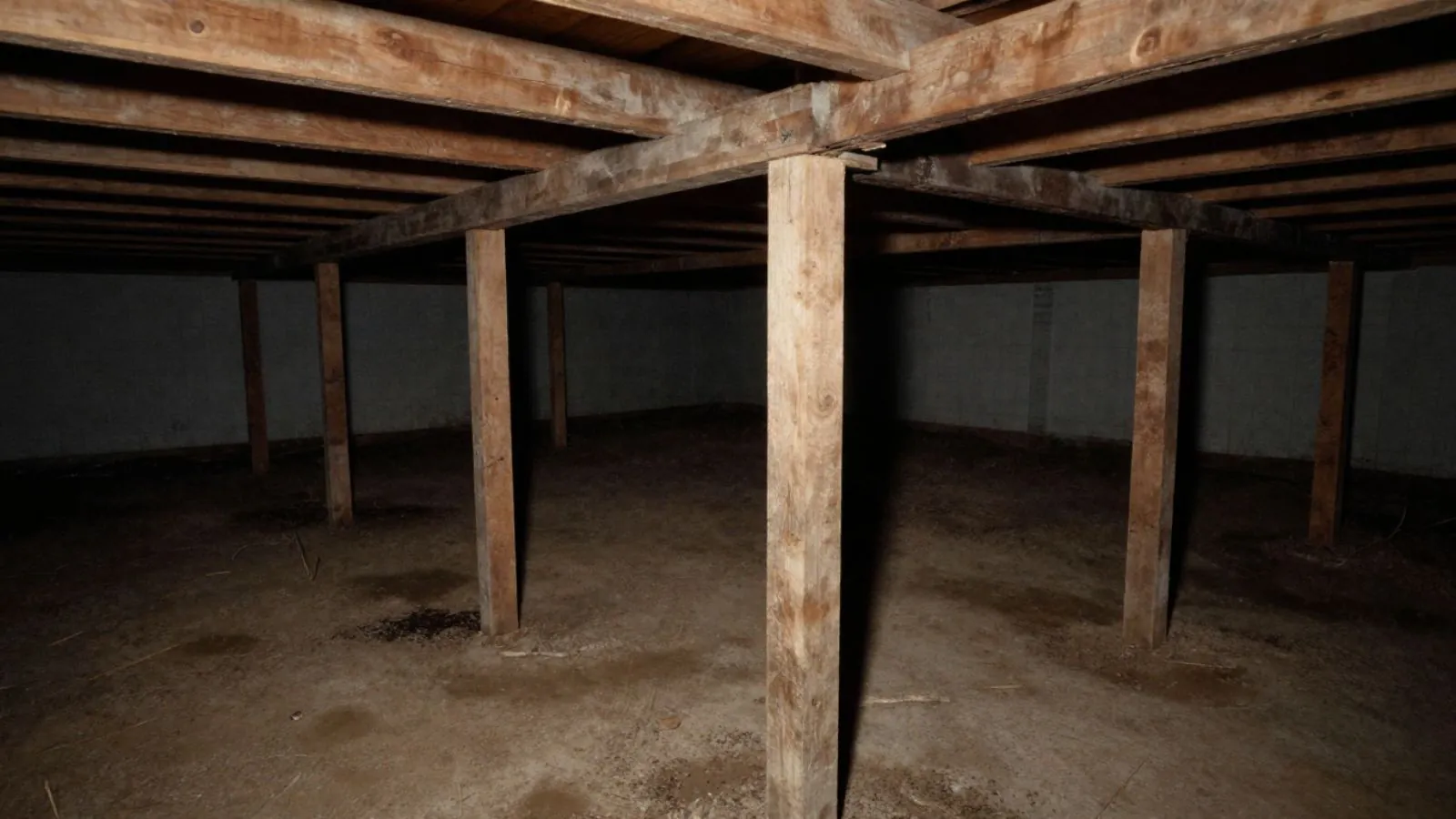
Crawl space water damage cleanup in Napa, CA deals with water under a raised floor. Not every Napa home has a crawl space, so check yours. Water here soaks insulation, joists and the subfloor above. Call (833) 521-1033 and the 24/7 line can arrange an assessment.
Do not enter a crawl space with standing water near wiring. Photograph what you can see from the access hatch and call.
What a crawl space is and why it matters
A crawl space is a shallow void between the soil and the first floor. Water enters from plumbing leaks, rain and drainage. Because the space is closed, moisture lingers and rises into the floor system.
The ANSI/IICRC S500 standard is the published industry reference for professional water damage restoration, and a crew can explain how its plan follows it.
Safety in tight spaces
Crawl spaces have wiring, low clearance and sometimes pests. Stay out if water is near wiring, and let a crew handle it with the right equipment.
What water does down there
| Item | Problem |
|---|---|
| Insulation | Absorbs and sags |
| Joists and subfloor | Hold moisture |
| Vapor barrier | Displaced |
| Ducts and wiring | Exposed |
Extraction and drying
Water is pumped out with a submersible pump, wet insulation is removed and the area is dried with air movers and dehumidifiers. The subfloor above is checked with a moisture meter. See structural drying.
Sources
Plumbing leaks, rain, poor drainage and a failed vapor barrier are the usual sources. If the water is from a supply line, see burst pipe water damage. Standing water from outside belongs on the flood damage page.
Why crawl spaces stay wet
A crawl space sits between the soil and the floor above, so it is exposed to ground moisture, plumbing leaks, drainage problems and humid air. Water can enter from a leaking supply or drain line, from rain that pools against the foundation, or from wet ground in the rainy months.
Napa gets most of its rain from October to April, so wet crawl spaces most often show up in that period.
What the damage looks like
Signs include a musty odor in the rooms above, sagging or cold floors, wet or fallen insulation, rust on fasteners, standing water, white mineral deposits on masonry and fungal growth on joists and subfloor. Wood framing that stays damp for long periods can start to decay. The earlier moisture is found, the less of the structure is involved.
Safety and access
Crawl spaces are tight, and many have wiring and ducts at low height. Do not enter one with standing water near electrical equipment. Crews use protective gear and lighting and check that wiring is safe before extraction starts. Access hatches may need to be widened or cleared.
Drying a crawl space
Standing water is pumped out first. Insulation that has fallen or soaked through is removed, since it holds water against the subfloor. Air movers and dehumidifiers then dry the framing and the soil surface, and moisture readings on the joists and subfloor show when the work is done. Ground sheeting may be cleaned, repaired or replaced as part of the repair.
Fix the water source
Drying without fixing the source only delays the next problem. Common fixes include repairing a supply or drain leak, regrading soil away from the foundation, extending downspouts and adding drainage. Those are building and plumbing trades. The crew reports what it finds so you can bring in the right one. Take photos of the source and of the conditions before work starts.
Mold and odor in crawl spaces
Damp wood and soil can support mold. Where growth is visible, a different scope of work applies and different cleanup rules apply. This page covers water damage, and mold removal is a separate step carried out after the moisture source is gone. A moisture reading, not odor alone, shows whether the space is dry.
Insurance and follow-up
Coverage depends on the cause. Ask your insurer. Restoration does not fix drainage, so a separate contractor may be needed.
What affects the cost
Crawl space jobs vary with access.
- Water depth. Pumping time.
- Insulation. Replacement.
- Access. Tight spaces.
- Drying. Days of equipment.
- Repairs. Separate.
Insurance coverage depends on the cause of the loss and the terms of your policy, so check your policy or ask your insurer. Want your real number? Call (833) 521-1033.
Frequently asked questions
Do all Napa homes have crawl spaces?
No. Homes vary by age and design, so check yours.
Is standing water in a crawl space dangerous?
It can be, especially near wiring.
Can I dry it myself?
Small amounts, maybe. Hidden moisture needs meters.
Will drying fix drainage?
No. That is a separate repair.