
Carpet water damage restoration in Napa, CA depends on one question: how clean was the water and how long was the carpet wet. Clean water caught within a day or two often allows the carpet to be dried and saved, while contaminated water or long exposure usually means removal. Call (833) 521-1033 and the 24/7 line can arrange an assessment.
Carpet has three parts, the surface fibers, the pad underneath and the subfloor below. Each reacts differently, and the pad is the part that holds the most water.
Extract first, then decide
Water extraction removes most of the water from carpet and pad using weighted extraction tools. Then the crew checks the subfloor and tests moisture. If the carpet is intact and the water was clean, drying may save it. If the pad is soaked, it is normally lifted and replaced, since pad cannot be dried efficiently in place.
The ANSI/IICRC S500 standard is the published industry reference for professional water damage restoration, and a crew can explain how its plan follows it.
When carpet can be saved
| Situation | Usual outcome |
|---|---|
| Clean water, caught within a day or two | Carpet often dried and saved, pad replaced |
| Gray water from an appliance | Carpet may be cleaned, pad removed |
| Contaminated water, flood or sewage | Carpet and pad removed |
| Wet for several days | Mold risk, replacement likely |
What happens under the carpet
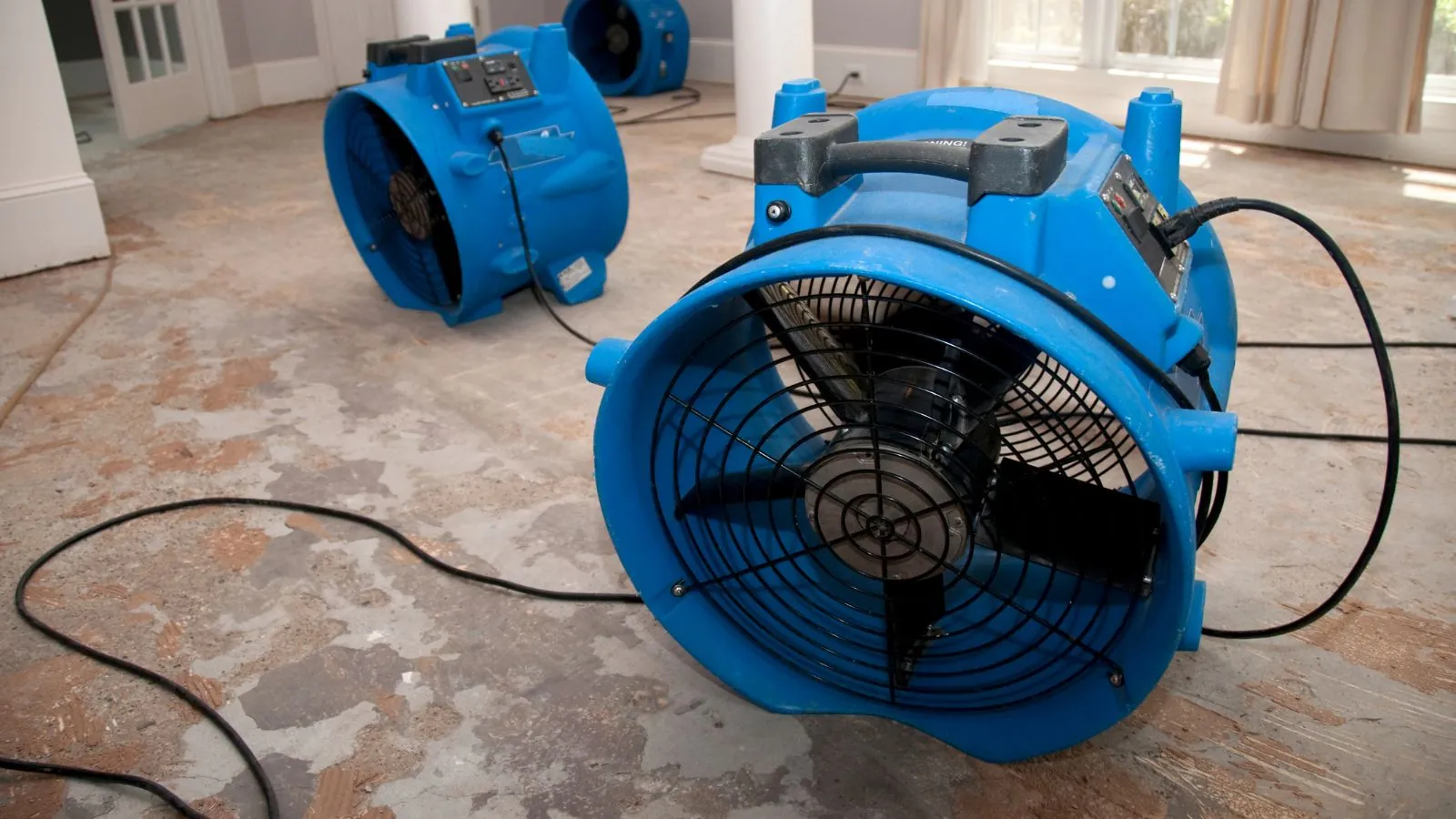
Water reaches the subfloor through the pad. If the subfloor is plywood, it can swell and delaminate, and if it is concrete, it can hold moisture for days. The crew lifts a corner of the carpet, checks readings and sets air movers underneath. Details of the drying are on the structural drying page.
For wood floors under or next to carpet, hardwood floor water damage repair covers what a crew checks.
Sources of wet carpet
Washing machine hoses, dishwashers, water heaters, toilets and roof leaks are the usual causes. If the water came from an appliance, the appliance leak page explains the shut-off steps. Check the baseboards too, because wet baseboards mean water is in the wall.
What you can do now
Lift furniture off the carpet and place foil or plastic under the legs. Remove small rugs and wet items. Do not use a household vacuum on wet carpet. Photograph the damage before anything is moved. Ask your insurer which provision applies and keep every receipt.
Carpet, pad and what can be saved
Carpet and pad are two separate layers that behave differently. The carpet face fibers often dry well after clean water is removed, while the pad underneath holds water like a sponge and is often removed and replaced. Water from a clean source such as a supply line gives the strongest chance of saving the carpet.
Water from a sewage backup or floodwater is a contamination problem, and carpet exposed to it is generally discarded under industry practice.
The crew lifts a corner to check the pad, the tack strip and the subfloor before deciding.
Drying in place or lifting
In many clean water cases the crew floats the carpet off the pad with a subfloor drying system so air can reach both sides, which can keep the carpet in place while it dries. In other cases the carpet is pulled back and set aside, the pad is removed and the subfloor is dried before the carpet is stretched and reinstalled.
Stretching matters because wet carpet can loosen at the edges and ripple.
Ask which approach is planned and why, and what would change the plan if readings come back higher than expected.
What affects the cost
Carpet jobs are priced by area and by what must be replaced.
- Water category. Contaminated water means removal.
- Square footage. Rooms affected.
- Pad and carpet. Replacement versus cleaning.
- Subfloor. Drying or replacing.
- Drying days. Equipment and readings.
Insurance coverage depends on the cause of the loss and the terms of your policy, so check your policy or ask your insurer. Want your real number? Call (833) 521-1033.
Frequently asked questions
Can wet carpet be saved?
Often, when the water was clean and the carpet was wet for a day or two. Contaminated water or long exposure usually means replacement.
Why is the pad usually replaced?
Pad soaks up water, holds it and is hard to dry in place. It is also relatively simple to replace.
How fast should I act?
As fast as possible. Mold risk rises the longer carpet and pad stay wet, and extraction in the first day gives the strongest chance of saving the carpet.
Will my insurance pay for new carpet?
It depends on the cause and the policy. Check your policy and ask your insurer.