
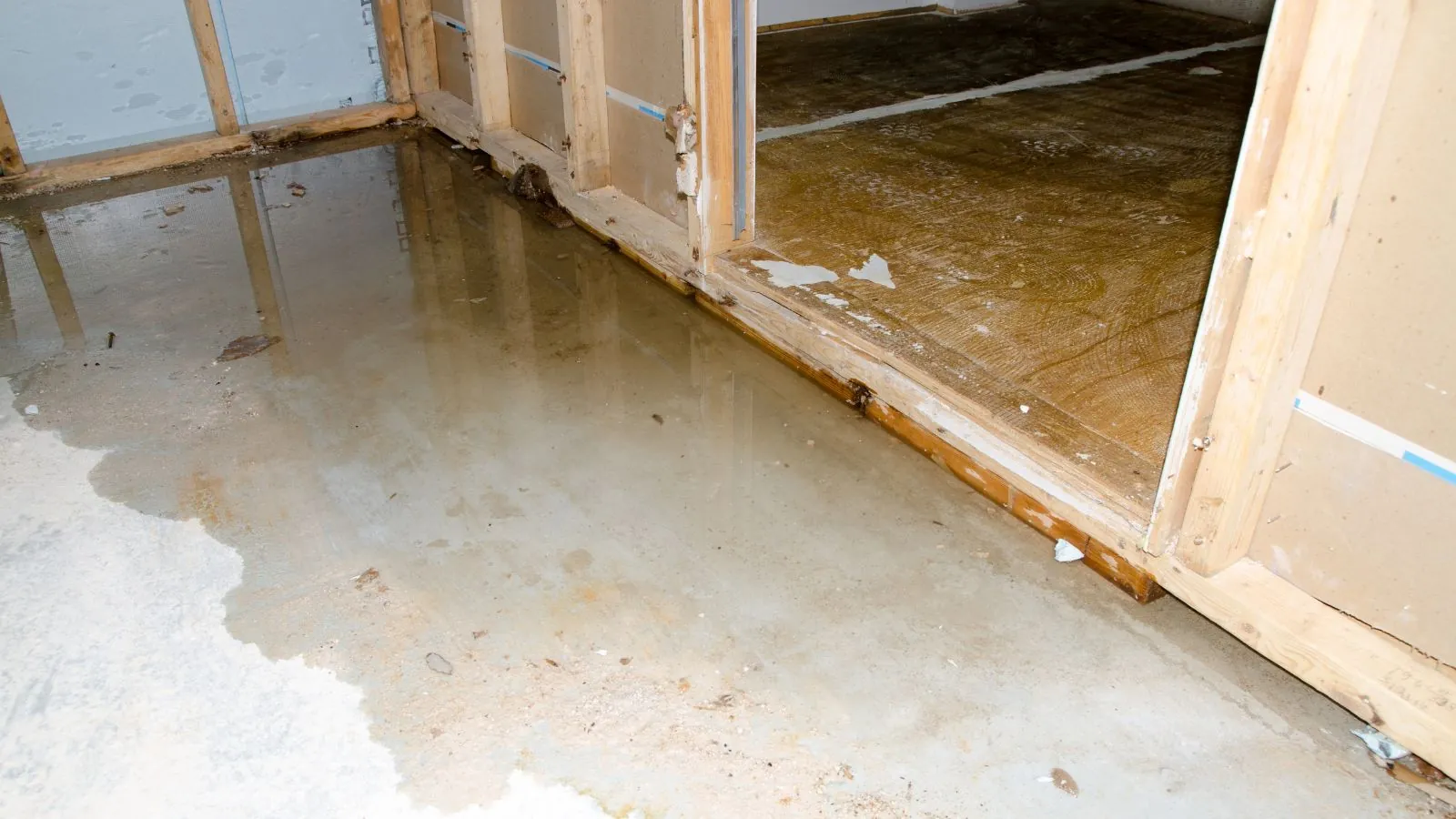
Emergency basement water damage cleanup in Napa, CA is the removal of water from a below-grade room and the drying of the walls, floor and contents it reached. Not every Napa home has a basement, so this page applies to those that do, and to homes with a finished lower level. Call (833) 521-1033 at any hour, because the line is answered 24/7.
While you wait, stay out of water near the electrical panel, which is often in a basement. If the panel is wet, leave the area and call the utility or 911. Do not use stairs that are underwater, and take photographs from the top step.
Why a wet basement is an emergency
Water in a basement is under the house, which means it is also under the framing, the wiring and the water heater. It cannot drain away on its own, and it often hides in finished walls and carpet. The first day decides whether you dry the room or rebuild it.
The ANSI/IICRC S500 standard is the published industry reference for professional water damage restoration, and a crew can explain how its plan follows it.
Stay out if power may be live
A basement often holds the panel, the water heater and appliances. If water reaches any of them, do not enter. Call the utility or 911 about electrical or gas risk before you call us.
Where basement water comes from
A failed sump pump, a split supply line, a washing machine hose, a water heater and groundwater seepage after heavy rain are the usual sources. Napa averages about 31 inches of rain a year by the 1991 to 2020 normals at the county airport, mostly between October and April, and the wet months are when below-grade rooms are tested.
The source decides the response. A supply line is clean water, seepage is gray, and a sewer backup is contaminated. If the source was the sewer, read sewage backup cleanup.
Finished basements and contents
A finished basement usually has drywall, framing, carpet and stored belongings. Drywall that wicked water is cut about two feet above the waterline, wet insulation is removed and carpet and pad are lifted. Cardboard boxes of belongings go first, because they hold water and mold quickly.
Photographs, books and electronics need separate handling. See carpet water damage restoration for what happens to carpet and pad.
Restoration is not waterproofing
A crew cleans and dries what the water damaged. It does not waterproof a foundation or redesign drainage. If the same water returns after every storm, that is a separate waterproofing question for a drainage contractor. Ask the crew to note any visible source of seepage in the scope.
Drying a below-grade space
Dehumidification matters more below grade, because concrete and masonry give moisture back slowly. Air movers and dehumidifiers run for days, checked with moisture meters. See structural drying for how readings decide when the work is done.
After the water is out of the basement
Once the pumping is done, the slab and block or concrete walls still hold moisture that can keep a basement damp for days. Concrete dries slowly, so readings taken on the floor and the lower walls tell the crew when drying can stop.
Stored boxes, rugs and furniture set on damp concrete wick moisture back up, so lifting them onto blocks or moving them to a dry room helps while the equipment runs. Ask for the final moisture readings in writing when the job ends.
What affects the cost
Basement jobs vary widely because of access and contents.
- Water category. Groundwater, supply water and sewage differ.
- Square footage. How much of the lower level was reached.
- Finishes. Bare concrete versus carpet and drywall.
- Drying days. Concrete can hold moisture.
- Contents. Stored belongings that need sorting.
Insurance coverage depends on the cause of the loss and the terms of your policy, so check your policy or ask your insurer. Want your real number? Call (833) 521-1033.
Frequently asked questions
Do you handle basement water emergencies at night or on weekends in Napa?
Yes. The line at (833) 521-1033 is answered 24 hours a day. Describe where the water is and avoid the electrical panel if it is wet.
Do most Napa homes have basements?
Not all do. Whether your house has a basement, a crawl space or a slab depends on its age and design, so check yours. This page applies to homes with a below-grade level.
Will drying stop it from happening again?
No. Restoration returns the room to a dry state. Preventing repeat water is a drainage or waterproofing question.
Does insurance cover basement flooding?
It depends on the cause. A burst pipe is often covered, while flood and seepage are often excluded. Check your policy and ask your insurer.