
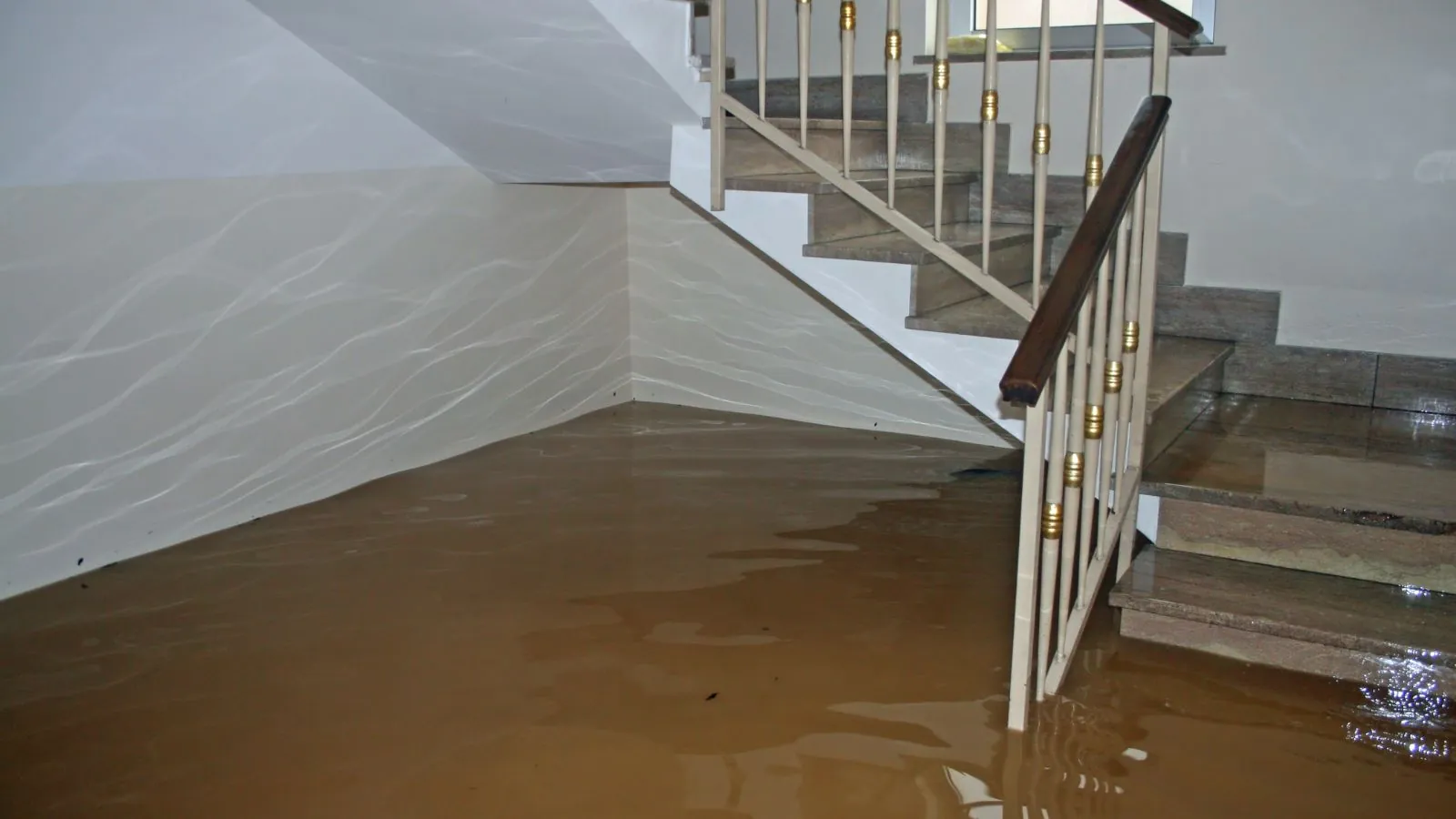
Emergency flood damage cleanup in Napa, CA is the removal of floodwater, the disposal of materials the water contaminated, and the drying of everything that can be saved. Floodwater is not clean water. It carries soil, runoff and sometimes sewage, so it is treated as Category 3 water until proven otherwise. The 24/7 line at (833) 521-1033 is answered every hour of the year.
While you wait for help, get people and pets out of the water, stay away from outlets, panels and anything plugged in, and photograph the waterline from a safe spot. Do not enter standing water if power may be live, and call the utility or 911 about any electrical or gas risk before you call us.
When rising water is an emergency
Rising water is an emergency because every hour in contact with floodwater adds to what must be thrown away. Drywall, insulation, carpet and pad that touch Category 3 water are normally removed, not dried, because they cannot be reliably cleaned. Wood framing and concrete can usually be cleaned and dried.
Napa knows this pattern. The Napa River has flooded seriously more than once, with high water recorded in 1986, 1995, 1997 and 2005, and the Napa River Flood Project was approved by voters in March 1998 to reduce that risk. Much of the work was completed by 2015 according to public summaries, but a project lowers risk and does not remove it.
The ANSI/IICRC S500 standard is the published industry reference for professional water damage restoration, and a crew can explain how its plan follows it.
Safety first
Never walk through floodwater near live electricity. If water has reached outlets or the panel, stay out and call the utility or 911 first. Shut off the main water valve only if you can reach it safely. Keep children and pets out of the water, and do not use household fans or a shop vacuum on contaminated water.
Flood versus storm versus plumbing
This page covers rising water from rivers, creeks and surface flooding. Wind and rain through the roof belong on the storm water damage page, and a failed pipe belongs on burst pipe water damage. The source matters because it decides the water category, the safety gear and how insurance treats the loss.
How a crew handles floodwater
| Step | What happens | Why it matters |
|---|---|---|
| Extraction | Pumps and extraction units remove standing water | Stops the water from wicking upward into walls |
| Removal | Wet drywall, insulation, carpet and pad are cut out and bagged | Category 3 contact makes these unsalvageable |
| Cleaning | Hard surfaces and framing are cleaned and treated | Removes soil and contamination before drying |
| Drying | Air movers and dehumidifiers run with daily moisture readings | Confirms the structure is dry, not just dry to the touch |
Flood insurance is separate
The California Department of Insurance says standard homeowners, renters and commercial policies typically exclude flood. Flood coverage is usually a separate policy. Wind-driven rain through a damaged roof may be covered differently, so ask your insurer which provision applies to your loss.
Check the FEMA Flood Map Service Center for your address to see whether it falls in a mapped flood hazard area. Photograph the waterline, the damaged contents and every room before anything is moved, and keep receipts for temporary protection.
After the water is gone
Once extraction and removal are done, structural drying brings the remaining materials to a safe moisture level. If the water came into a lower level, read the basement water damage page, which covers finished rooms and contents. Delayed drying invites mold, so do not wait for the weather to improve before calling.
What affects the cost
Flood jobs are priced by what the water touched, not by how deep it was. A scope should list extraction, removal and drying as separate lines.
- Water category. Floodwater is treated as contaminated, which adds protective equipment and removal of porous materials.
- Affected area. Square footage and how many rooms were reached.
- Materials. Drywall height, flooring type, insulation and cabinets.
- Drying time. Days of equipment, checked with moisture readings.
- Rebuild scope. Replacing drywall, trim and flooring is separate from mitigation.
Insurance coverage depends on the cause of the loss and the terms of your policy, so check your policy or ask your insurer. Want your real number? Call (833) 521-1033.
Frequently asked questions
Do you handle flood emergencies at night or on weekends in Napa?
Yes. The dispatch line is answered 24 hours a day, every day. Call (833) 521-1033, describe the water and stay out of it until you hear what to do next.
Can anything be saved after floodwater?
Wood framing, concrete and some solid wood furniture can often be cleaned and dried. Drywall, insulation, carpet and pad that touched contaminated water are normally removed.
Does homeowners insurance cover floods?
Standard policies typically exclude flood, according to the California Department of Insurance. Flood coverage is usually separate, so check your policy and ask your insurer.
How do I find out if I am in a flood zone?
Use the FEMA Flood Map Service Center with your street address. A mapped zone does not predict damage, and an unmapped address can still flood.