
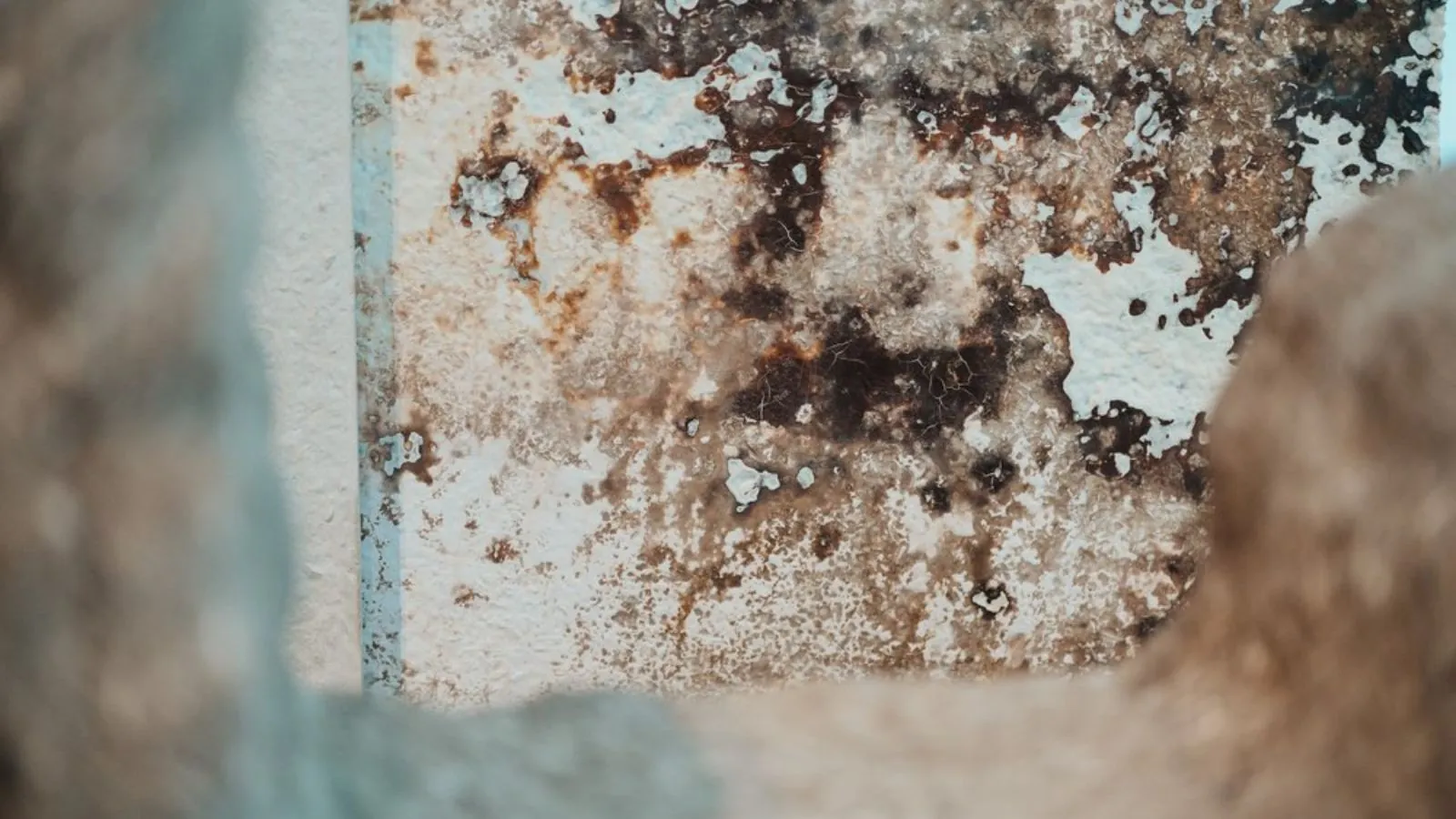
Wall and drywall water damage repair in Napa, CA starts with a simple question: is the wall wet only on the surface or all the way through. Drywall is paper and gypsum, and once it has soaked it can lose strength fast. The 24/7 line at (833) 521-1033 can arrange an assessment any day.
Common signs are brown stains, bubbling paint, soft spots, swollen baseboards and a musty smell near the bottom of the wall. Baseboards often show moisture first because water wicks upward from the floor.
Dry in place or cut it out
A moisture meter and a thermal camera show how high the water went and whether the wall cavity is wet. Clean water that did not sit long may allow drywall to be dried in place, using small holes or removed baseboards to let air reach the cavity. Soaked, soft or contaminated drywall is cut out.
The ANSI/IICRC S500 standard is the published industry reference for professional water damage restoration, and a crew can explain how its plan follows it.
Flood cuts
A flood cut is a horizontal cut made two feet or so above the waterline so the wet section can be removed and the cavity opened. It exposes insulation and studs for drying. Cutting costs less to repair than letting wet drywall rot, and a clean straight cut is easy to patch.
| Condition | Usual response |
|---|---|
| Surface stain, dry reading | Prime and paint after source is fixed |
| Damp but firm | Dry in place with air movers |
| Soft, crumbling or swollen | Cut out and replace |
| Water above the cut line | Open wall to the highest wet point |
Insulation, studs and baseboards
Wet insulation holds moisture against framing and should be removed. Studs and plates are dried and checked. Baseboards are often removed to let the wall breathe and to check the bottom plate.
If the source was a ceiling, see ceiling water damage repair, and for pipes inside walls see burst pipe water damage.
Plaster walls in older Napa homes
Older homes may have plaster on wood lath. Plaster can feel fine while the lath behind it stays wet, so readings matter more than appearance. The historic district page for Napa Abajo covers this in more detail.
Repair and finish
After the wall reaches normal readings, new drywall is hung, taped, textured and painted. Match the texture and paint on the whole wall so the repair is not visible. If the damage is substantial, ask your city building department whether a permit applies. Keep photos and receipts for your insurer.
Cut it out or dry it in place
Drywall is gypsum between paper facings, and it loses strength when wet. Clean water caught early may leave the board intact enough to dry in place, though soft, bubbling or sagging board is usually removed. A common technique is the flood cut, a straight horizontal cut made a few inches above the visible water line, so the lower section comes out and the cavity opens to air.
Baseboards are often pulled carefully and set aside so they can be reinstalled.
What sits behind the wall
Insulation, wiring and framing matter as much as the board. Fiberglass insulation holds water against the studs and is often removed when saturated. Wiring in a wet wall should be checked by an electrician before it is energized again. Paint, wallpaper and vinyl coverings slow drying because they trap moisture in the board, so they may be removed too.
Ask the crew what readings they took on the studs and the bottom plate, not only on the face of the drywall.
Closing the wall again
Walls are rebuilt only after the cavity reads dry. Patching, taping, texture and paint matching are carpentry and painting work done after drying, sometimes by a separate contractor. Ask for the final drying readings in writing, since closing a wall over damp framing is how musty odors and staining come back later.
What affects the cost
Wall repair is mostly about how much drywall comes out.
- Height of the wet area. Flood cut location.
- Linear footage. Wall length.
- Insulation. Replacement.
- Drying time. Cavity drying before closing.
- Finish. Texture and paint.
Insurance coverage depends on the cause of the loss and the terms of your policy, so check your policy or ask your insurer. Want your real number? Call (833) 521-1033.
Frequently asked questions
Can wet drywall be saved?
Sometimes, if it is firm, the water was clean and drying starts quickly. Soft or crumbling drywall is replaced.
Why cut two feet above the waterline?
Water wicks upward in drywall, so cutting above the visible line removes the damp section.
Do I need a permit for drywall repair?
Often not, but plumbing, electrical or structural work might. Ask the City of Napa Building Division.
Will the repair match?
A good finisher textures and paints the whole wall so the repair blends.