
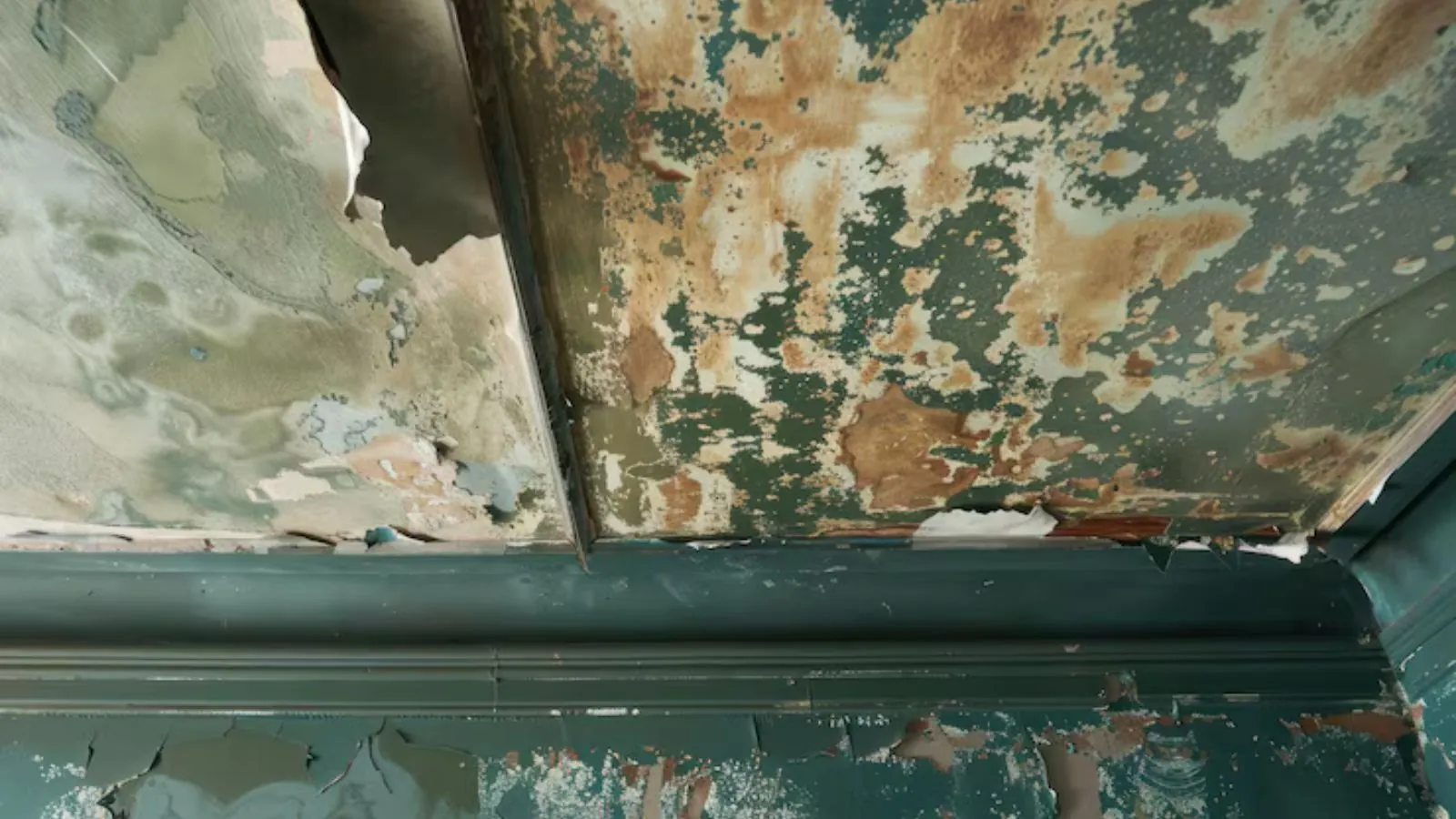
A water damage claim goes better when you document early, protect the property and keep a record of every conversation. The California Department of Insurance publishes a residential property claims guide, and the steps below follow its advice, with added detail about the records that restoration work produces.
None of this settles the outcome. Coverage depends on the cause of the loss and the terms of your policy. What you can control is the quality of your records and how quickly you limit further damage.
Step 1: protect the property
Stop the source if you safely can, and take reasonable steps to prevent more damage. The Department says insurers should reimburse reasonable costs to protect your property if you keep the receipts. Do not make extensive permanent repairs until the adjuster has seen the damage.
For standing water, the water extraction page explains what is done first. Drying wet areas promptly also matters, since delayed cleanup can lead to mold.
Step 2: report the loss
Report the damage to your agent or insurer to start the claim. The Department says to report water damage immediately, and it does not publish a specific number of days. State regulations set the insurer's own deadlines to acknowledge and respond to a claim, starting at Section 2695.1 of Title 10 of the California Code of Regulations.
Step 3: document everything
- Photograph and video every affected room, the source and any damaged items before moving them.
- List damaged items with brands and models if you can.
- Keep receipts for temporary repairs, hotel stays and cleanup supplies.
- Keep a claim diary of every call, the date, the person and what was said.
- Keep damaged items until the adjuster says you can discard them.
Step 4: meet the adjuster, get bids
The adjuster may inspect before you sign any forms. The Department advises getting written repair bids from licensed contractors, itemized line by line, so you can compare them with the insurer's estimate. A restoration scope with moisture readings is a useful part of that package.
Step 5: know your rights
A denial must be in writing and state the reasons. If you believe a denial is wrong, the Department's Consumer Hotline is 1-800-927-4357, and a claims review may be opened. The Department also describes a mediation program for certain disaster losses. If you want legal advice, ask an attorney, because this guide is not legal advice.
Before you call the insurer
Stop the water, make the area safe and take photos. Read the declarations page of your policy to find your deductible and the coverage types listed. Many homeowners find the deductible is higher than they expected, so knowing it before the call helps you decide how to proceed. Look for endorsements such as water backup, since they change what is covered.
The first call
When you report the loss, give the date, the cause as you understand it and what you have done so far. Avoid guessing at the cause or agreeing to a recorded statement before you understand your policy. Ask what the next steps are, who the adjuster will be and how to submit documents. Write down the claim number and the name of everyone you speak with.
During the inspection
Walk the adjuster through every affected room, including closets and the rooms below the leak. Show the source, the moisture readings and your photos, and hand over the restoration company's written scope. Ask when you can expect a written decision and what to do if you disagree. Keep copies of everything you send.
If the claim is denied or paid for less
Ask for the reason in writing along with the policy language it relies on. You can request a review and add documents. The California Department of Insurance consumer hotline, 1-800-927-4357, can explain your options. Meanwhile, keep drying going, since leaving materials wet makes the loss larger.
Keeping the claim moving
Claims stall when paperwork goes missing. Respond to adjuster requests quickly, send documents in the form they ask for and note the date you sent each one. If a deadline appears in a letter, put it on your calendar. Ask your restoration company for copies of the drying log and invoices as the job goes, not weeks later, so everything can be sent together when the adjuster needs it.
Napa notes: records that help in this area
For Napa homes, one useful habit is to photograph the main water shut-off valve and the water heater with the date visible, before anything goes wrong. Another is to keep your policy and agent contact in a place that survives a flood, such as a cloud folder.
If you live in a Napa neighborhood like Browns Valley or in a nearby city like American Canyon, the claim steps are the same. The permit question differs, since the City of Napa and the City of American Canyon are separate authorities.
Frequently asked questions
How long do I have to report water damage in Napa?
The California Department of Insurance says to report it immediately and does not state a day count on its claims guide. Check your policy for notice requirements.
Should I throw away wet items for the claim?
No. Keep damaged items until the adjuster says you can discard them, and photograph them first.
Who can I call if my claim is denied wrongly?
The California Department of Insurance Consumer Hotline is 1-800-927-4357. A denial must be in writing and state its reasons.
Does a moisture log help?
Yes. Dated readings show the extent of the damage and the drying progress, and they help explain the scope to your insurer.