
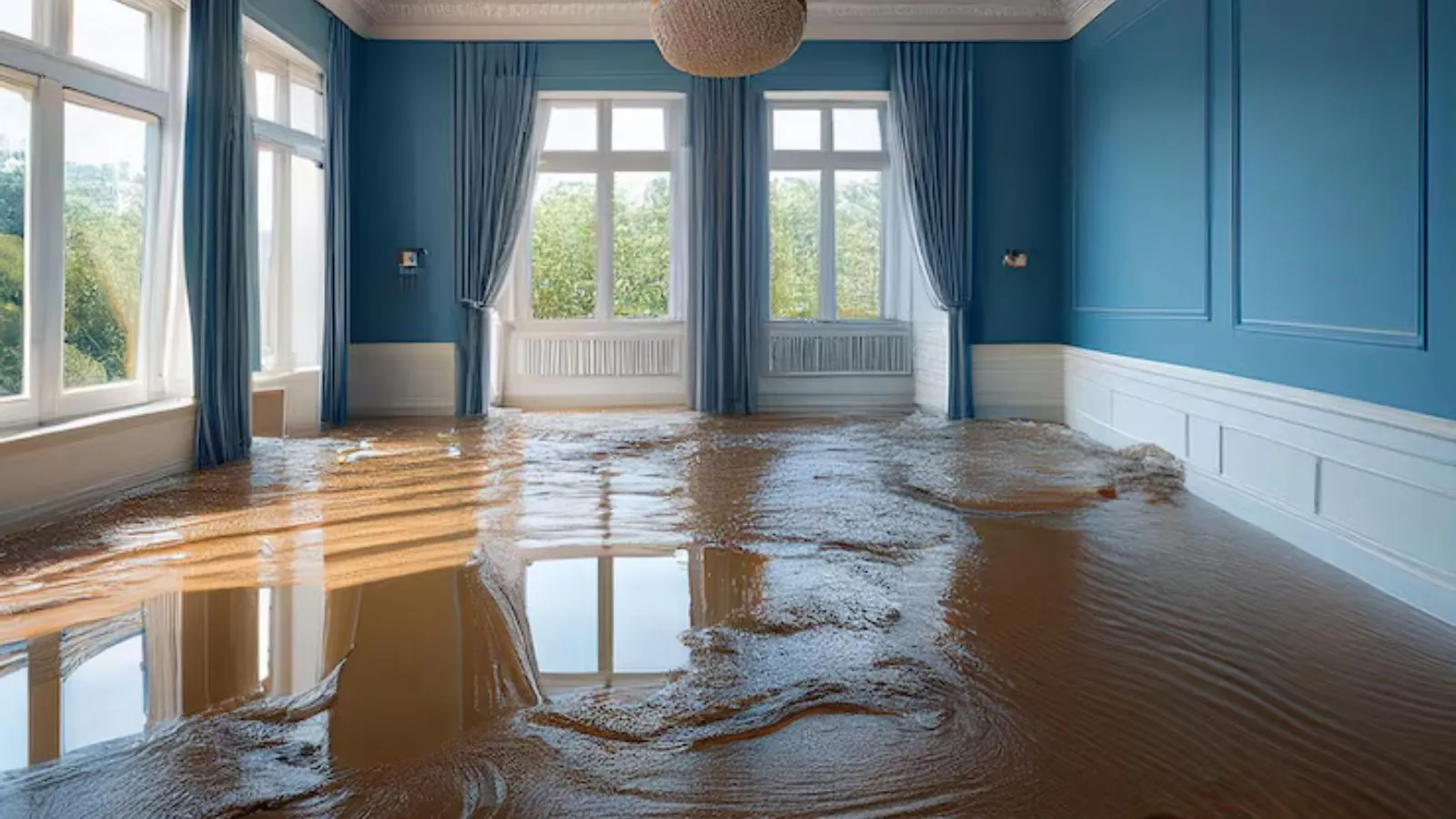
If your home has had water damage, the safest approach to selling it is to repair it properly, keep every record and ask your real estate agent or an attorney what you must disclose. This guide is not legal advice. It explains the documents that make a sale smoother.
California sellers generally must disclose known material facts about a property. Your agent can tell you how that applies to a past leak, a repair or an insurance claim.
Why records matter more than words
A buyer and a buyer's inspector will want to see what happened, when and how it was fixed. A dated moisture log, a written scope, photographs and invoices answer those questions. Without records, a past leak becomes a question mark.
Documents to gather
- Photos taken before, during and after repairs.
- The written scope of work and the moisture log.
- Invoices and receipts for mitigation and rebuild.
- Permits and inspection records for any permitted work.
- Insurance claim correspondence.
Repairs versus selling as is
Fixing the damage and showing the records usually reduces buyer concern. Selling as is may be a choice if repairs are large, but disclosure still applies. Do not paint over stains to hide them. A moisture reading and a repair record are more persuasive than fresh paint.
What buyers and inspectors look at
| Item | What they look for |
|---|---|
| Ceilings and walls | Stains, texture changes, soft spots |
| Flooring | Cupping, staining, repairs |
| Crawl space or basement | Moisture, odor, drainage |
| Flood maps | Whether the address is in a mapped area |
Mold concerns
If drying was delayed and mold appeared, a separate process applies, and health questions belong to a physician. For floors and walls that were wet, see hardwood floor water damage repair and wall and drywall water damage for how repairs are documented.
Disclosure basics in California
California sellers generally have to disclose known material facts about a property, and past water intrusion, leaks and repairs are the kind of thing that is usually covered in the seller's disclosure forms. This is not legal advice. Ask your real estate agent or a real estate attorney what applies to your sale.
Documents that help
Buyers feel better about a past leak when it is documented. Keep the restoration company's drying log, the final moisture readings, repair invoices, permits and photos from before and after. Together they show that the problem was found, fixed and verified.
What buyers' inspectors look for
Home inspectors often carry moisture meters and thermal cameras, and they check ceilings, under sinks, around windows and in crawl spaces. Staining, a musty smell or fresh paint on one patch of ceiling invites questions. Having a record that shows the cause was repaired answers them before they come up.
Repair before listing or sell as is
Some sellers repair and list. Others sell as is, with a price that reflects the issue. Either way, make sure active leaks are stopped and drying is finished, since an unresolved leak can grow while the house sits on the market. See structural drying for how a drying job is verified.
Talking to your agent early
If a past water loss is part of your home's history, tell your agent before listing. They can help you decide what to disclose, how to present the documents and how to price the house. If the loss involved an insurance claim, ask your agent and your insurer how that history may show up for buyers.
Having your records ready, such as the invoice, the drying log and the final readings, keeps the conversation factual and saves time once a buyer's inspection begins.
Pricing and negotiation
A past leak that was fixed and documented usually leads to a shorter conversation than one with no records. An unrepaired problem can lead buyers to ask for a price reduction or a repair credit, or to walk away. If you sell as is, be ready for buyers to bring their own inspectors and contractors.
Ask your agent how comparable homes with a history of water damage have been priced, and let the documents speak for the quality of the repair.
If the buyer's lender or insurer asks
Lenders and insurers sometimes ask about past water claims or repairs. Having the invoice, the drying log and the final readings ready lets you answer quickly and keeps escrow moving. Ask your agent which records buyers in your area usually request, and share them in an organized folder instead of one at a time.
Napa notes: flood history and buyer questions
Buyers in Napa know the area's flood history, with high water on the Napa River recorded in 1986, 1995, 1997 and 2005, and the Napa River Flood Project approved by voters in March 1998. Expect questions about flood maps and flood insurance even if your loss came from a pipe. Look up your address on the FEMA Flood Map Service Center before you list.
Homes in Alta Heights, Westwood and American Canyon all attract these questions, so have your records ready.
Frequently asked questions
Do I have to disclose a past leak in California?
Your real estate agent or an attorney can tell you what applies. As a general rule, sellers disclose known material facts.
Should I repaint over a water stain before showing the house?
No. Fix the source, dry the area and keep records. Hiding a stain can create problems later.
Will a past insurance claim affect a sale?
Ask your agent. Records of proper repair answer most buyer questions before they are asked.
Where do I check flood maps?
The FEMA Flood Map Service Center lets you search by address.