
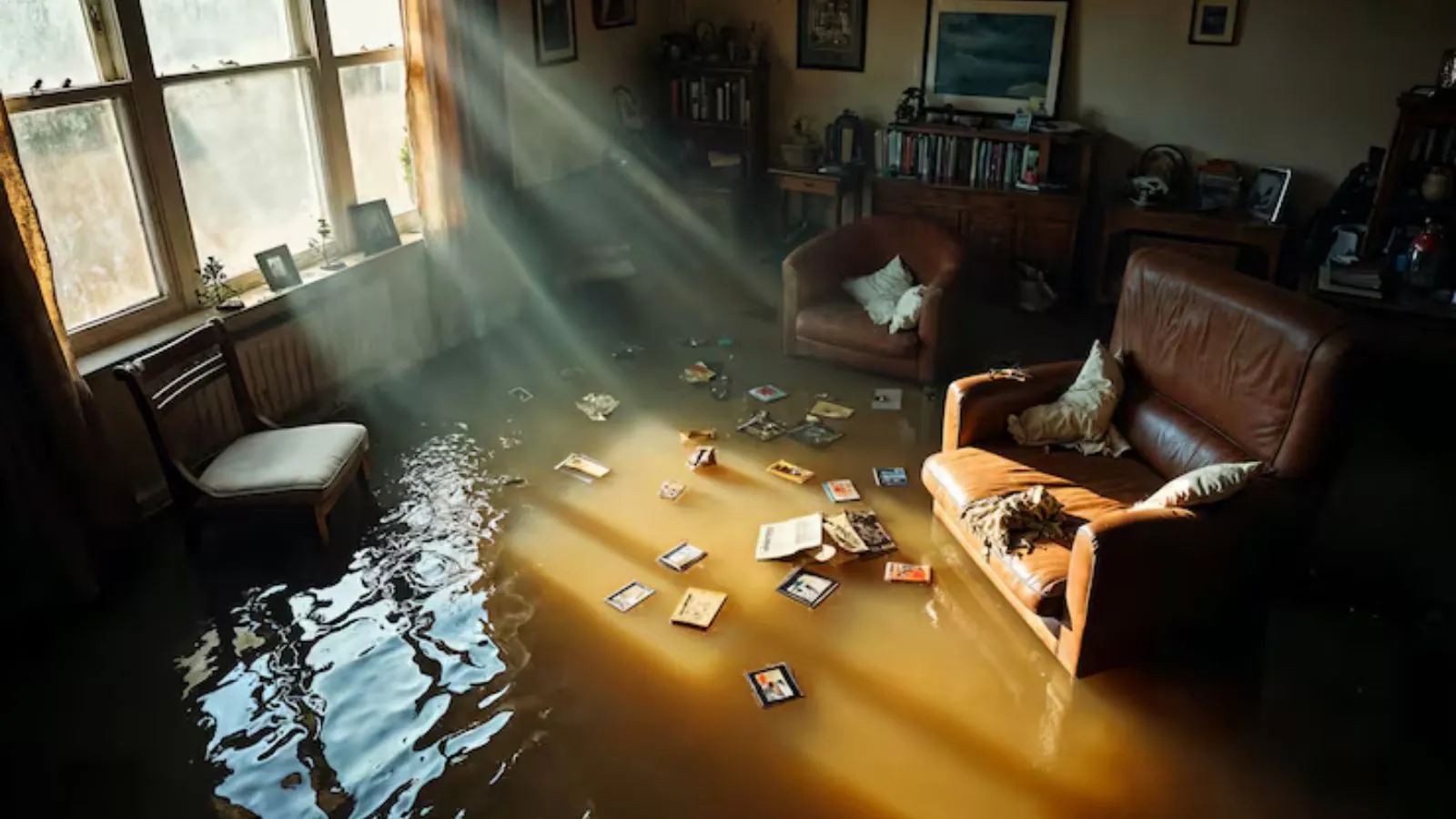
Wet photos and papers can often be saved if you act quickly and gently. The two goals are to keep them from sticking together and to stop mold from growing while you work out a drying plan.
Most paper damage comes from handling it wrong, so a calm, slow approach beats a fast one. Move one item at a time, and do not force anything apart.
First hour: stop the damage
- Photograph the items where they are.
- Remove them from standing water by hand, supporting the bottom.
- Keep them wet if you cannot dry them right away, since drying unevenly can warp them.
- Move them to a clean, cool, dry space.
Photographs
Rinse gently in clean water if they are dirty, then lay them face up on clean paper towels or blotting paper. Do not touch the image surface. If photos have stuck together, do not pull them apart. Soak the stack in clean water until they separate on their own, or freeze them and ask a conservator for help.
Paper documents and books
Lay single sheets flat to air-dry, changing blotting paper often. For stacks of paper, freezing is a good way to stop mold until you have time. Books can be stood on end with pages fanned, away from direct heat. For vital records, you can ask the issuing agency for replacements.
What to avoid
- Do not use an iron, hair dryer or heat gun.
- Do not use bleach or cleaners on photos.
- Do not stack wet paper.
- Do not leave items in the sun, which can fade them.
Document the loss
Make a list of what was damaged and photograph each item. The California Department of Insurance recommends listing damaged items with brands and models and keeping a video inventory if you can. That is useful for contents coverage.
For the floors and walls that got wet, see structural drying.
Handle wet paper first
Paper weakens quickly when wet, and mold can grow within a day or two in warm, damp conditions. Lift papers out of the water carefully and support them from below. Do not pull apart pages that are stuck together.
If you cannot dry them right away, interleave them with wax paper or freezer paper, place them in a sealed bag and freeze them. Freezing stops mold growth and buys time to find a document recovery service.
Rescuing photographs
Photographs can often be saved if they are handled before they dry stuck together. Rinse mud off gently with clean water and avoid touching the image surface. Lay prints face up on clean paper towels or a screen and let them air dry away from direct sun. Prints that have already stuck together should be frozen and handed to a specialist rather than pulled apart.
Important documents to replace
Documents such as passports, birth certificates, property deeds and tax records can be replaced, but it takes time. Contact the issuing agency for each one, and ask your insurer or mortgage servicer for copies of policy and loan papers. Write down which items were damaged, since a list helps both replacement and any claim.
Protecting records for next time
Keep scans of key documents in a cloud account or on a drive stored somewhere else. Store paper records in sealed plastic bins, and keep boxes off the floor, especially in basements, garages and crawl spaces. If water has already come into storage, see basement water damage cleanup for what happens next.
Books, art and keepsakes
Books are heavy when wet and can be rescued if they are handled early. Stand them upright with the pages gently fanned, or interleave pages with clean paper and freeze them if you cannot dry them quickly. Artwork on paper, framed prints and canvases are safest in the hands of a conservator, because water can set stains and lift pigment.
Textiles and heirlooms should not be scrubbed. Keep them cool, keep them out of sunlight and ask a specialist before cleaning.
Digital copies and a written list
Once documents are stable, scan or photograph them, even if they are stained. A digital copy may be accepted in place of the original for some purposes, and it protects you from a second loss. Make a written list of what was damaged, with the date, so you can track replacements.
If your insurer covers personal property, the list also supports your claim. Store the scans somewhere that is not in the same room as the originals.
Napa notes: store high, back up digitally
Napa has a documented history of river flooding, with high water recorded in 1986, 1995, 1997 and 2005. Whether or not your home is in a mapped flood area, store irreplaceable papers above floor level, and keep digital copies of photos and records in a place outside your home. You can check your address on the FEMA Flood Map Service Center.
People in Downtown Napa apartments and in American Canyon homes alike should keep a small grab folder with insurance details, identification copies and contact numbers.
Frequently asked questions
Can wet photos really be saved?
Often, if they are not allowed to dry stuck together or to grow mold. Gentle rinsing and flat drying work for many photos.
Is freezing documents safe?
Freezing pauses mold growth and buys time. Place items in freezer bags and dry them later, or consult a document conservator.
Where can I get replacements for vital records?
Contact the agency that issued the record, such as the county recorder for property records.
Should I save everything for insurance?
Photograph and list what is damaged. Keep what the adjuster asks for.